Trucking Policies for Texas Motor Carriers
Commercial trucking insurance is rarely a one-size-fits-all policy. Lavon Insurance helps Texas owner-operators, fleets and motor carriers compare coverage based on their trucks, drivers, cargo, operating territory and business structure.
From commercial truck liability and motor truck cargo to physical damage, trailer interchange, bobtail and general liability, we can help you understand the insurance options available for your trucking operation.
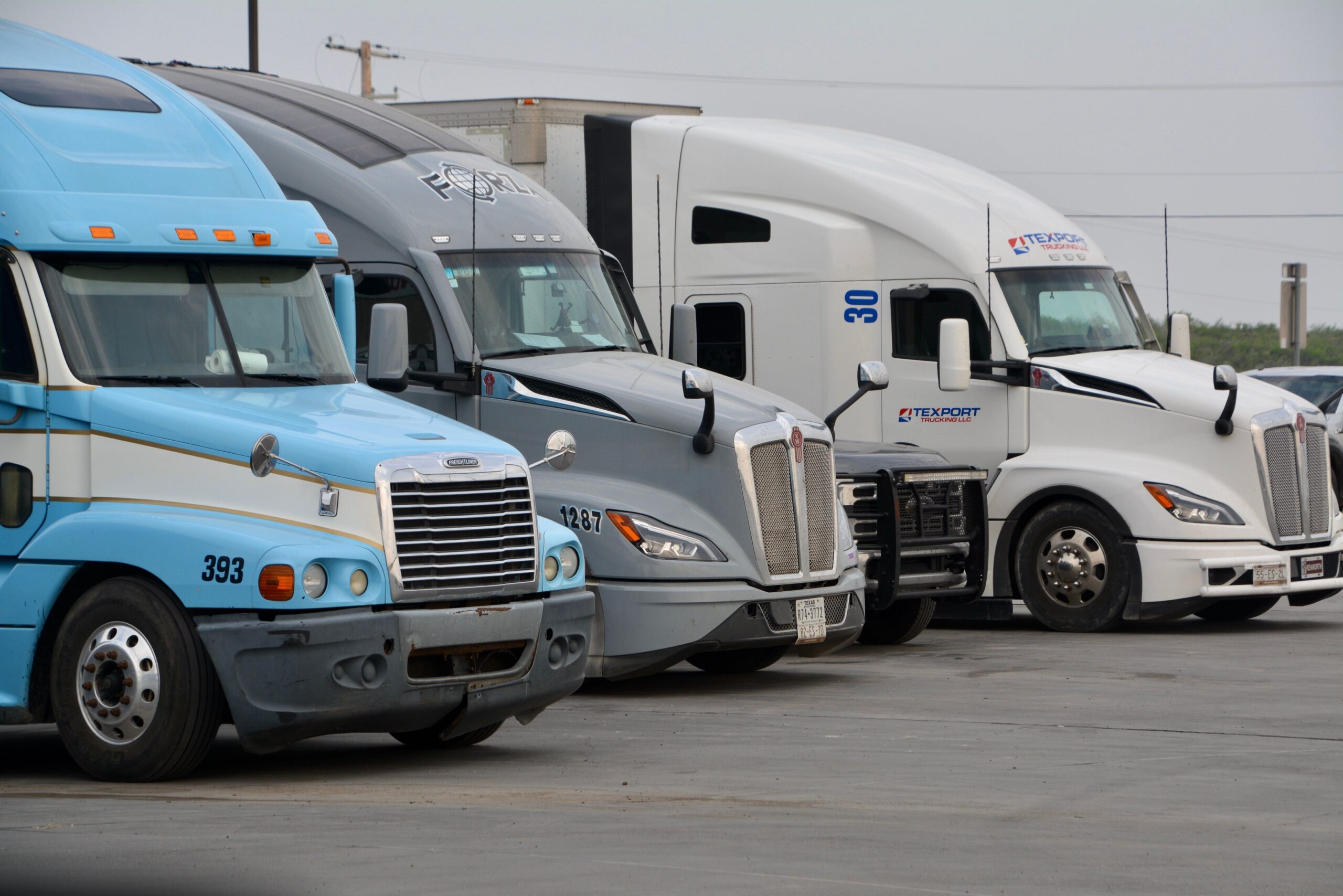
Trucking Insurance Built Around Your Operation
Trucking insurance is designed for businesses that use commercial trucks and vehicles to transport property, operate as motor carriers, haul freight, or perform other transportation-related activities.
The right insurance program depends on how your business operates. An owner-operator hauling general freight can have very different insurance needs from a multi-truck fleet, refrigerated carrier, construction hauler or specialized transportation company.
Lavon Insurance is an independent insurance agency. We can compare available insurance options from multiple carriers and help you understand how the different coverage pieces fit together.
Owner-Operators
Insurance considerations for independent truck drivers operating under their own authority or leased to another motor carrier.
Small Fleets
Coverage options for trucking businesses operating multiple trucks, drivers and routes.
Motor Carriers
Commercial trucking insurance for businesses transporting property or freight for customers.
General Freight
Insurance considerations for businesses transporting common freight throughout Texas and beyond.
Refrigerated Carriers
Trucking operations transporting temperature-sensitive freight may have additional cargo and equipment considerations.
Specialized Hauling
Coverage considerations for businesses transporting equipment, machinery, materials or specialized cargo.
Explore Trucking Insurance Policies & Coverages
Different trucking operations require different combinations of insurance coverage. Explore the individual policy types below to learn more about what each coverage is designed to address.
Motor Truck Cargo Insurance
Coverage for covered loss or damage to qualifying freight while it is in the insured’s care, custody or control, subject to the policy.
Explore Motor Truck Cargo Insurance →Commercial Truck Liability
Liability coverage for covered bodily injury and property damage claims arising from covered commercial truck operations.
Explore Commercial Truck Liability →Truck Physical Damage
Coverage designed to help protect covered trucks and equipment against qualifying physical damage.
Explore Truck Physical Damage →Trailer Interchange & Non-Owned Trailer
Specialized coverage considerations for trailers that your business does not own but has in its care, custody or control.
Explore Trailer Interchange →Bobtail & Non-Trucking Liability
Specialized liability coverage that may apply to eligible owner-operators during certain non-business or non-dispatched use.
Explore Bobtail & Non-Trucking Liability →Trucking General Liability
Coverage for certain non-auto liability exposures arising from trucking business operations, subject to policy terms.
Explore Trucking General Liability →Occupational Accident Insurance
Coverage that may be available for eligible owner-operators and independent contractors, depending on the business arrangement.
Explore Occupational Accident →Your Trucking Business Determines Your Coverage Needs
There is no single trucking insurance policy that works for every carrier. The coverage conversation should start with how your business actually operates.
Questions That Can Affect Your Insurance Program
- How many trucks and trailers do you operate?
- Do you operate under your own authority?
- Are you leased to another motor carrier?
- What type of cargo do you transport?
- Do you operate intrastate or interstate?
- What is your typical operating radius?
- Do you haul refrigerated or specialized freight?
- Do you use trailers that you do not own?
- What contractual insurance requirements apply?
- What insurance filings are required for your operation?
Why These Details Matter
Insurance companies evaluate trucking risks using information about the vehicles, drivers, cargo, territory, claims history, operating authority and other characteristics of the business.
Understanding these details helps your insurance agent identify coverage options that are relevant to your operation instead of treating your business like a standard commercial vehicle account.
Trucking Insurance for Owner-Operators
Owner-operators can have different insurance responsibilities depending on whether they operate under their own authority, lease their truck to a motor carrier, or operate under another contractual arrangement.
The lease agreement can be especially important because it may establish which insurance responsibilities belong to the owner- operator and which are provided by the motor carrier.
Lavon Insurance can help you identify the coverage questions that should be reviewed when structuring your trucking insurance program.
Owner-Operator Coverage Questions
- Own authority or leased-on?
- Who provides primary liability?
- Who insures the tractor?
- Who is responsible for physical damage?
- What cargo coverage is required?
- Is non-trucking liability needed?
- Are trailer responsibilities addressed?
- What does the lease agreement require?
Motor Truck Cargo Insurance Matters
If your trucking business transports property for customers, cargo coverage can be an important part of the insurance program. Cargo policies can differ substantially depending on the freight being transported and the policy terms.
Type of Freight
Commodity type and characteristics can affect available coverage and underwriting.
Refrigerated Cargo
Temperature-sensitive freight can create additional equipment, spoilage and temperature-control considerations.
High-Value Cargo
Higher-value or specialized freight may require specific limits, underwriting or policy provisions.
Loading & Unloading
The circumstances surrounding loading, unloading and custody of freight can affect how coverage applies.
Deductibles & Limits
Cargo policies can have specific deductibles, limits and exclusions that should be reviewed before a loss occurs.
Covered Causes of Loss
Coverage depends on the policy and may not automatically apply to every type of cargo loss.
Texas & Federal Trucking Insurance Considerations
Trucking insurance requirements can vary depending on whether your business operates only within Texas or crosses state lines. Vehicle characteristics, cargo, operating authority and the type of transportation operation can also affect applicable requirements.
Intrastate Trucking
Texas motor carriers operating exclusively within the state may have registration, insurance and filing requirements administered by the Texas Department of Motor Vehicles.
Requirements can depend on factors such as vehicle weight, cargo, hazardous materials, passengers and the type of transportation service provided.
Interstate Trucking
Motor carriers operating across state lines may be subject to Federal Motor Carrier Safety Administration requirements, including federal financial-responsibility and operating-authority requirements when applicable.
The specific requirements depend on the carrier, cargo, vehicle and type of operation.
Insurance requirements and motor-carrier regulations can change. This page is for general educational purposes and is not legal or regulatory advice. Confirm your specific requirements with the appropriate regulatory agency or qualified professional.
Work With an Independent Trucking Insurance Agency
Trucking insurance can involve several different coverage types, insurance carriers and regulatory considerations. Having an agency that takes the time to understand your operation can make it easier to identify the coverage questions that matter.
Lavon Insurance is an independent insurance agency serving trucking businesses in Texas. We can compare available options from multiple carriers rather than limiting the conversation to a single insurer.
The Lavon Insurance Difference
- Multiple carrier options
- Coverage-focused review
- Personal service
- Trucking-specific coverage conversations
- Support reviewing your available options
A Straightforward Trucking Insurance Process
Tell Us About Your Operation
We gather information about your trucks, trailers, drivers, cargo, operating territory, authority and current insurance.
We Compare Available Options
We review available trucking insurance options based on the characteristics and needs of your business.
You Choose Your Coverage
We explain the available options so you can make an informed decision about your trucking insurance.
Explore More Trucking Insurance Coverage
These dedicated pages provide more detailed information about specific trucking insurance coverages.
Motor Truck Cargo Insurance
Coverage considerations for freight transported by your trucking operation.
View Motor Truck Cargo →Commercial Truck Liability
Learn more about commercial truck liability coverage and its role in a trucking insurance program.
View Commercial Truck Liability →Truck Physical Damage
Explore coverage for qualifying physical damage to insured trucks and equipment.
View Truck Physical Damage →Trailer Interchange
Coverage considerations for trailers you do not own but have in your care, custody or control.
View Trailer Interchange →Bobtail & Non-Trucking Liability
Learn about specialized liability coverage for certain non-dispatched or non-business use.
View Bobtail Coverage →Trucking General Liability
Explore general liability coverage for qualifying non-auto trucking business exposures.
View Trucking General Liability →Occupational Accident
Review occupational accident coverage considerations for eligible owner-operators and independent contractors.
View Occupational Accident →Trucking Insurance
Return to the main trucking insurance page for a broader overview of commercial trucking coverage.
View Trucking Insurance →Trucking Insurance in Lavon & Throughout Texas
Lavon Insurance provides commercial trucking insurance solutions for owner-operators, motor carriers and trucking businesses in Lavon and surrounding North Texas communities.
We serve trucking businesses in and around Lavon, Wylie, Princeton, Farmersville, Royse City, Rockwall, Rowlett, Sachse, Murphy, Josephine, Greenville and Melissa.
We also work with trucking businesses throughout Texas. Contact us to discuss your operation and available insurance options.
Frequently Asked Questions About Trucking Insurance
What is trucking insurance?
Trucking insurance refers to the combination of commercial insurance coverages used to protect trucking businesses, vehicles, cargo and other covered exposures. The specific coverage needed depends on the operation.
What insurance does a trucking company need?
Requirements vary by operation. Common considerations can include commercial truck liability, physical damage, motor truck cargo, general liability and specialized coverages such as trailer interchange or non-trucking liability.
Do owner-operators need trucking insurance?
Owner-operators generally need insurance appropriate to how their trucks are operated and whether they operate under their own authority or are leased to another motor carrier. Required coverage can vary by arrangement.
What is motor truck cargo insurance?
Motor truck cargo insurance can provide coverage for covered loss or damage to qualifying freight while it is in the insured’s care, custody or control, subject to policy terms, conditions, limits and exclusions.
What is commercial truck liability insurance?
Commercial truck liability coverage can address covered bodily injury and property damage claims arising from covered commercial trucking operations, subject to the policy’s terms, limits and exclusions.
What is truck physical damage coverage?
Physical damage coverage can help protect covered trucks and equipment against qualifying damage from causes such as collision, theft, fire, vandalism and certain weather-related events.
What is bobtail or non-trucking liability insurance?
Non-trucking liability coverage may address certain liability exposures when an eligible truck is being used for non-business purposes and is not operating under dispatch. Coverage varies by policy and situation.
What is trailer interchange insurance?
Trailer interchange coverage may provide physical damage protection for qualifying trailers that a trucking business has in its care, custody or control under a trailer interchange agreement.
Does trucking insurance cover cargo?
Commercial truck liability and cargo insurance address different risks. Motor truck cargo insurance is specifically designed to address covered losses involving qualifying freight, subject to the policy terms.
How much does trucking insurance cost in Texas?
Trucking insurance premiums vary based on factors such as vehicle type, number of vehicles, drivers, operating territory, cargo, coverage limits, deductibles, claims history and other underwriting information.
Can I get trucking insurance for one truck?
Yes. Trucking insurance is not limited to large fleets. Owner- operators and small trucking businesses can have insurance needs that differ from larger fleets.
What information is needed for a trucking insurance quote?
Information may include your business structure, operating authority, vehicle details, driver information, cargo, operating radius, prior insurance and loss history. Additional information may be required depending on the operation.
Ready to Compare Trucking Insurance in Texas?
Tell Lavon Insurance about your trucks, drivers, cargo and operation. We’ll help you compare available trucking insurance options.
Get a Trucking Insurance QuoteInsurance coverage, eligibility, limits, deductibles, exclusions, endorsements, filings, pricing and availability vary by insurance carrier, policy, vehicle, driver, cargo, business classification, operating authority and individual circumstances. This page is provided for general educational purposes and is not a contract, legal advice, regulatory advice or a guarantee of coverage or compliance.